Communication has come a long way since the days of smoke signals and carrier pigeons. Over the last 50 years, technology has revolutionized how we interact, share information, and build relationships. From the first email sent in 1971 to the rise of social media, the digital age has transformed communication in profound ways.
A Look Back
In the not-so-distant past, communication was primarily face-to-face or through traditional methods like letters and phone calls. While these methods still hold value, they’ve been largely overshadowed by digital alternatives. The advent of the internet and mobile devices has made communication faster, more accessible, and more convenient than ever before.
The Digital Revolution
The evolution of digital communication can be traced through several key milestones:
- Email: The first email was sent in 1971, marking the beginning of electronic messaging.
- The World Wide Web: The creation of the World Wide Web in 1989 made the internet accessible to the masses, opening up new possibilities for communication and information sharing.
- Mobile Phones: The introduction of mobile phones in the 1980s and 1990s allowed for communication on the go.
- Social Media: Platforms like Facebook, Twitter, and Instagram emerged in the early 2000s, connecting people across the globe and transforming social interaction.
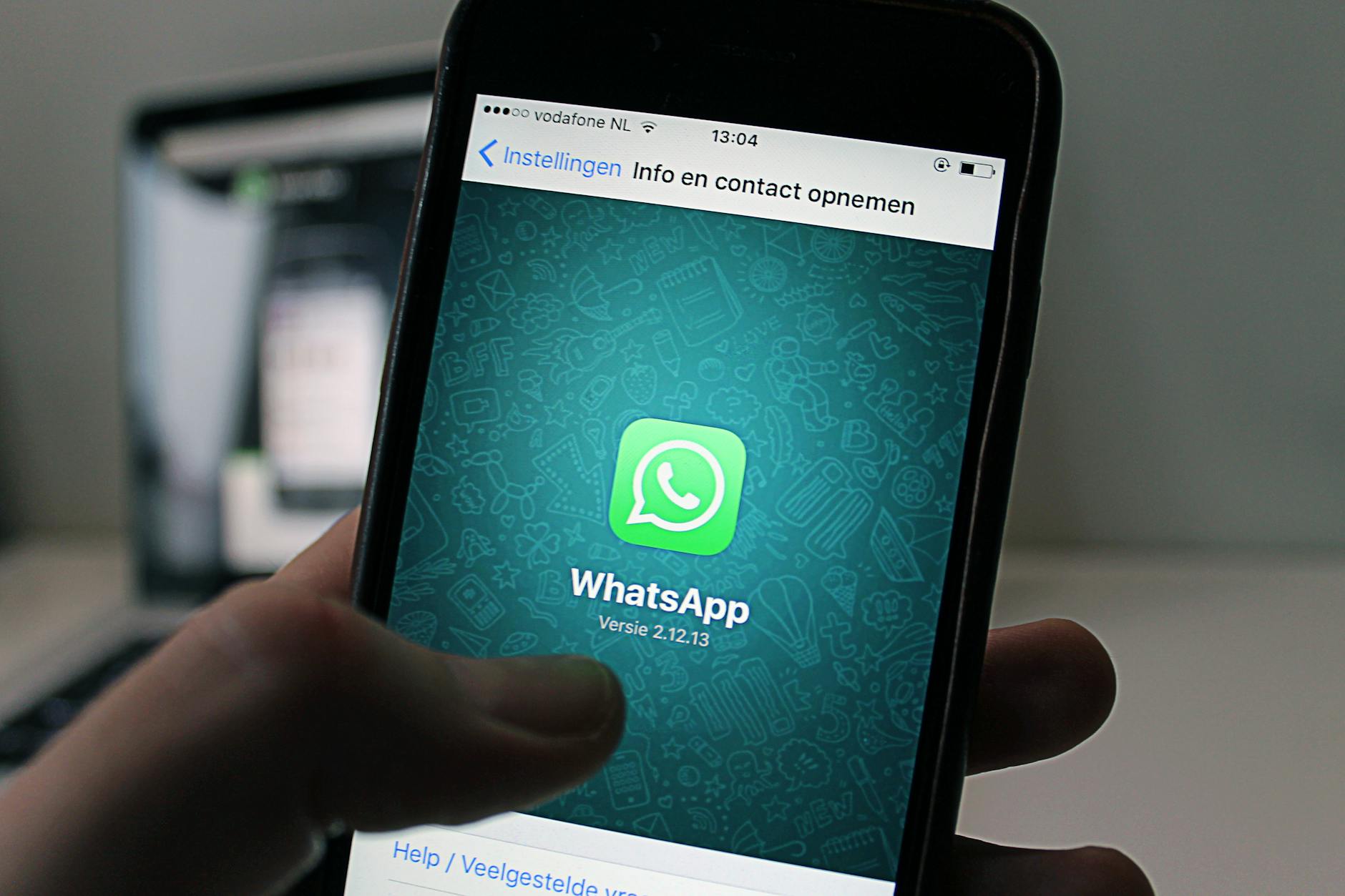
- Instant Messaging: Apps like WhatsApp and WeChat enabled real-time communication through text, voice, and video.
Better or Worse?
The digital age has undoubtedly brought many benefits to communication. We can now connect with people across the globe in an instant, share information with ease, and stay in touch with loved ones regardless of distance. However, there are also downsides to consider:
The Good:
- Increased Connectivity: We can connect with people anywhere in the world.
- Faster Communication: Messages are delivered instantly.
- Accessibility: Digital communication is accessible to a large portion of the population.
- Convenience: We can communicate from anywhere, at any time.
The Not-So-Good:
- Loss of Nuance: Digital communication can lack the nonverbal cues that are important for understanding meaning and emotion.
- Misunderstandings: Misinterpretations can easily occur in the absence of face-to-face interaction.
- Privacy Concerns: Data breaches and privacy violations are a growing concern.
- Addiction and Distraction: Social media and constant connectivity can be addictive and distracting.

Life Without Digital Communication
It’s hard to imagine life without today’s means of communication. Many people rely on them for work, social connection, and accessing essential services. While some might relish the idea of a digital detox, the reality is that most of us would find it challenging to navigate daily life without these tools.
Social Media Communication
Social media has become an integral part of how we communicate. It provides a platform for sharing updates, connecting with friends and family, and engaging in discussions on various topics. However, it’s important to remember that social media communication is just one form of interaction and should not replace face-to-face relationships.
How People Feel About Communication Today
People have mixed feelings about communication in the digital age. While many appreciate the convenience and connectivity it offers, others are concerned about the potential for misunderstandings, privacy issues, and the erosion of face-to-face interaction. It’s crucial to strike a balance between embracing technology and maintaining meaningful human connections.
Conclusion
The evolution of communication in the digital age has brought about significant changes in how we interact and connect with each other. While there are undeniable benefits, it’s important to be mindful of the potential drawbacks and strive for a healthy balance between digital and real-life interactions. As technology continues to evolve, so too will our communication habits, and it’s up to us to navigate this ever-changing landscape in a way that fosters meaningful connections and enhances our lives.





Leave a Reply