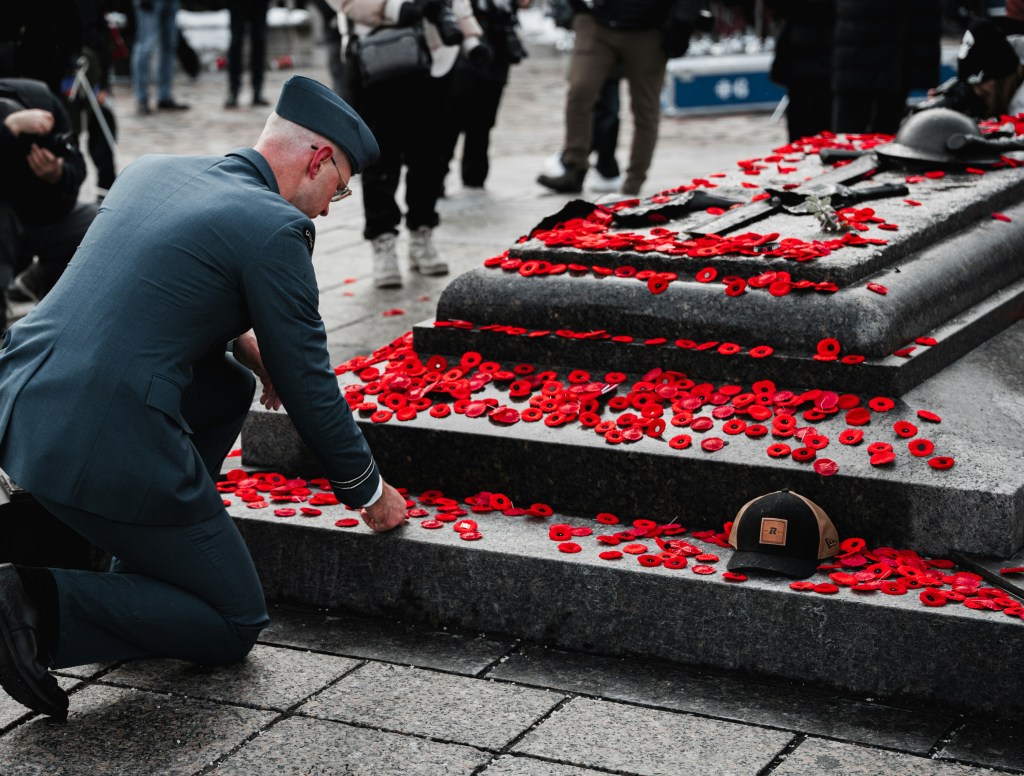
There are certain days on the calendar that should mean more to us than just another day off, and Remembrance Day is one of them.
November 11 is a day to stop, put aside the distractions of everyday life, and take a moment to remember the men and women who served our country, those who made the ultimate sacrifice, and those who continue to serve today.
For me, this is personal, even though I have never served in the military myself.
I don’t have a long list of family members who served in uniform. My father did serve with the British Air Force after the Second World War, and I have had family members who served alongside our allies. Unfortunately, I never had the opportunity to meet those family members who served.
But whether we knew someone personally, have a family connection to the military, or have never worn a uniform ourselves, I believe Remembrance Day should mean something to every one of us.
We don’t have to have served to understand the importance of remembering those who did.
Think about the sacrifices made by the men and women who went overseas, often at a very young age, not knowing whether they would ever return home. Think about the families who said goodbye to husbands, wives, sons, daughters, brothers and sisters, sometimes never seeing them again.
Think about the veterans who did return home, carrying memories and experiences that many of us can never truly understand. And think about the men and women who continue to serve today, leaving their families behind and accepting the risks that come with their duty.
They deserve our respect, our gratitude and, just as importantly, our ongoing support.
Why the poppy matters
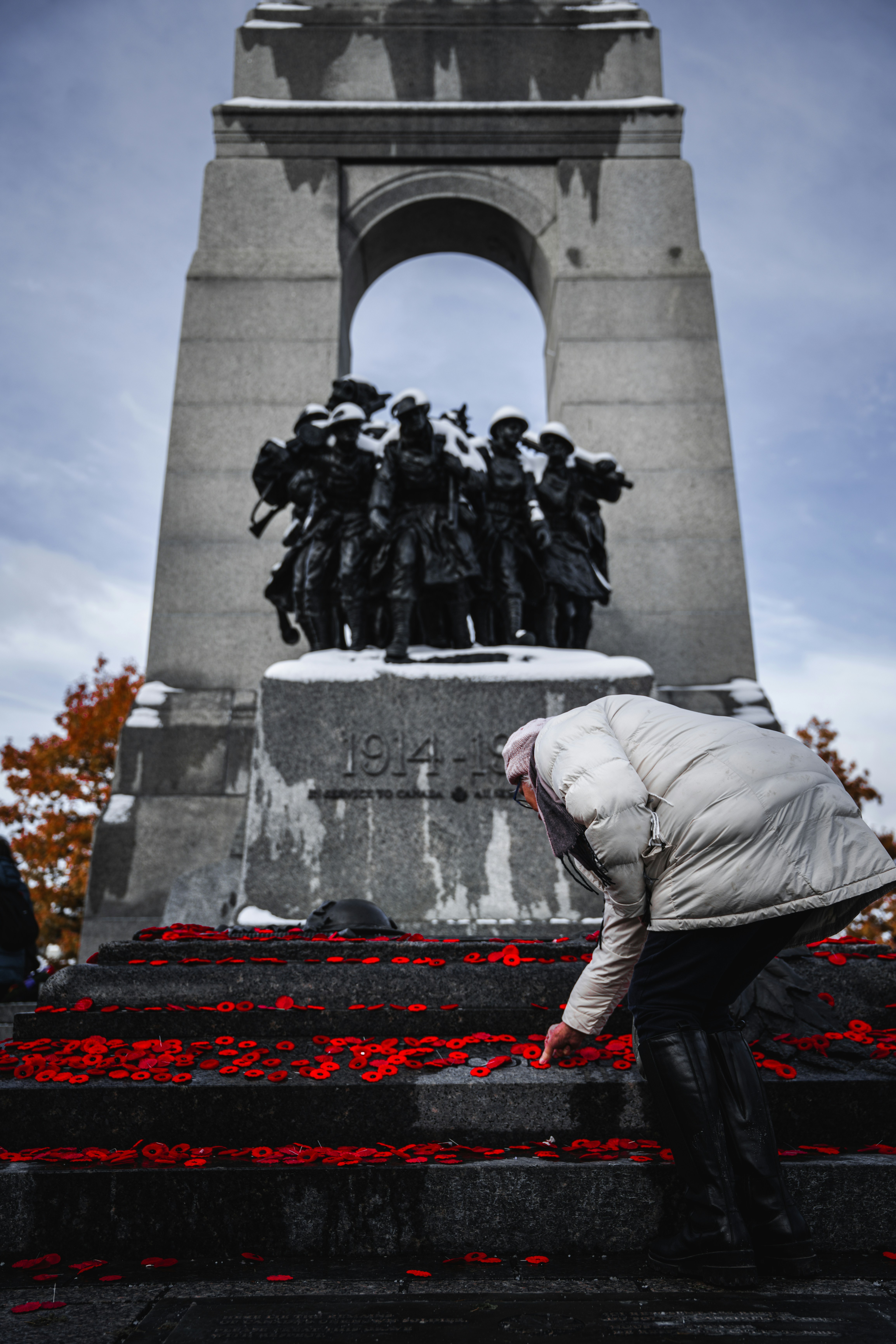
Every year, as November approaches, we start seeing red poppies on jackets, shirts and coats across our communities.
It’s a small gesture, but it carries a powerful message.
The poppy is a symbol of remembrance. It reminds us of the lives lost, the sacrifices made, and the freedoms we enjoy today because others were willing to stand up and serve.
Wearing a poppy isn’t about making a political statement or following a tradition simply because we’ve always done it. It’s about recognizing that the freedoms and opportunities we sometimes take for granted came at a cost.
And I believe we should never stop wearing it.
We should never reach a point where remembering those sacrifices becomes something we consider old-fashioned, unnecessary or less important because the wars of previous generations are further behind us.
The people who served in the First and Second World Wars may no longer be with us in the numbers they once were, but their sacrifices haven’t become any less important. Nor should we forget those who served in Korea, Afghanistan, peacekeeping missions and other conflicts around the world.
The passage of time should never diminish our gratitude.
Remembering is more than two minutes of silence
On November 11, we gather at cenotaphs, attend ceremonies, listen to the Last Post and observe two minutes of silence at 11 a.m.
These traditions matter. They allow us to reflect together as a community and pass the importance of remembrance on to the next generation.
But remembering shouldn’t end when the ceremony is over or when we take off our poppy.
If we truly appreciate what our veterans have done for us, then we also have a responsibility to support them.
That’s where organizations like the Royal Canadian Legion play such an important role. The annual Poppy Campaign helps provide assistance to veterans and their families who need it. Donations support people facing financial difficulties and help fund services and resources that make a real difference in their lives.
So, when you see someone from your local Legion standing in a store or business collecting donations, take a moment to support the campaign if you can.
Attend a local Remembrance Day ceremony. Support Legion events and other fundraisers that benefit veterans. Take the time to learn about our military history. Talk to your children and grandchildren about why November 11 matters.
And remember that veterans and their families may need support long after the poppies have been put away for another year.
We cannot simply thank people for their service in November and forget about them for the other eleven months.
Our appreciation needs to mean something beyond words.
Passing remembrance on to the next generation
One of the things that concerns me is what happens as the generations who experienced the great wars firsthand pass on.
There are fewer and fewer veterans who can sit down and tell us their stories. We lose the personal connections, the firsthand accounts, and the opportunity to hear directly what those experiences were like.
That makes our responsibility to remember even greater.
We need to teach our children and grandchildren that Remembrance Day isn’t just about a school assembly, a red flower or a day off.
It’s about real people. People with families, plans for their futures, hopes and dreams. People who put those things aside, and sometimes gave up everything, in service to others and their country.
We may not be able to fully understand what they experienced, but we can make sure their stories are not forgotten.
And we can make sure that the next generation understands why we continue to honour them.
A simple thank you
To every Canadian veteran, to every member of our Canadian Armed Forces serving today, and to the families who have supported them through the years, thank you.
Thank you to those who served in the past, those who continue to serve, and those who made the ultimate sacrifice.
Thank you to the Royal Canadian Legion members and volunteers who work year after year to keep remembrance alive and support those who have served.
And thank you to everyone who takes the time to wear a poppy, attend a ceremony, make a donation or simply stop for two minutes to reflect.
I may never fully understand what it means to serve in uniform or what those who have served have experienced. But I know that the freedom to live our lives, raise our families and enjoy the communities we call home is not something we should ever take for granted.
Remembrance Day is not about who served and who didn’t. It’s about recognizing those who did, understanding the sacrifices they made, and ensuring that their service and their stories are never forgotten.
So, this November 11, wear your poppy proudly. Take those two minutes of silence seriously. Thank a veteran if you have the opportunity, and consider how you can support those who served throughout the rest of the year.
Because remembering is not something we should do only when the calendar tells us to.
It is a responsibility we all share, and one we must never abandon.
Lest we forget.


Leave a Reply